Germany is one of the world's top study destinations — and uniquely, most public universities charge only a small semester contribution (€150–350) rather than tuition fees. Home to TU Munich, one of Europe's premier technical universities, Germany excels in engineering, sciences, and research. Indian students benefit from an 18-month post-study job search visa, a transparent visa process, and a booming economy hungry for skilled graduates.
€150–350
Semester fee at public unis
#4
World ranking for innovation
1,000+
English-taught programs
18 mo
Job seeker visa post-graduation
Browse by subject
Find the right Germany course for you
We match you to programmes by what you want to study — not just by ranking or location. Pick your subject to explore options.
Germany's TU9 group — nine leading technical universities — are globally ranked and industry-connected. Combined with top research universities, Germany offers exceptional quality at minimal cost.
QS #37 · TU9
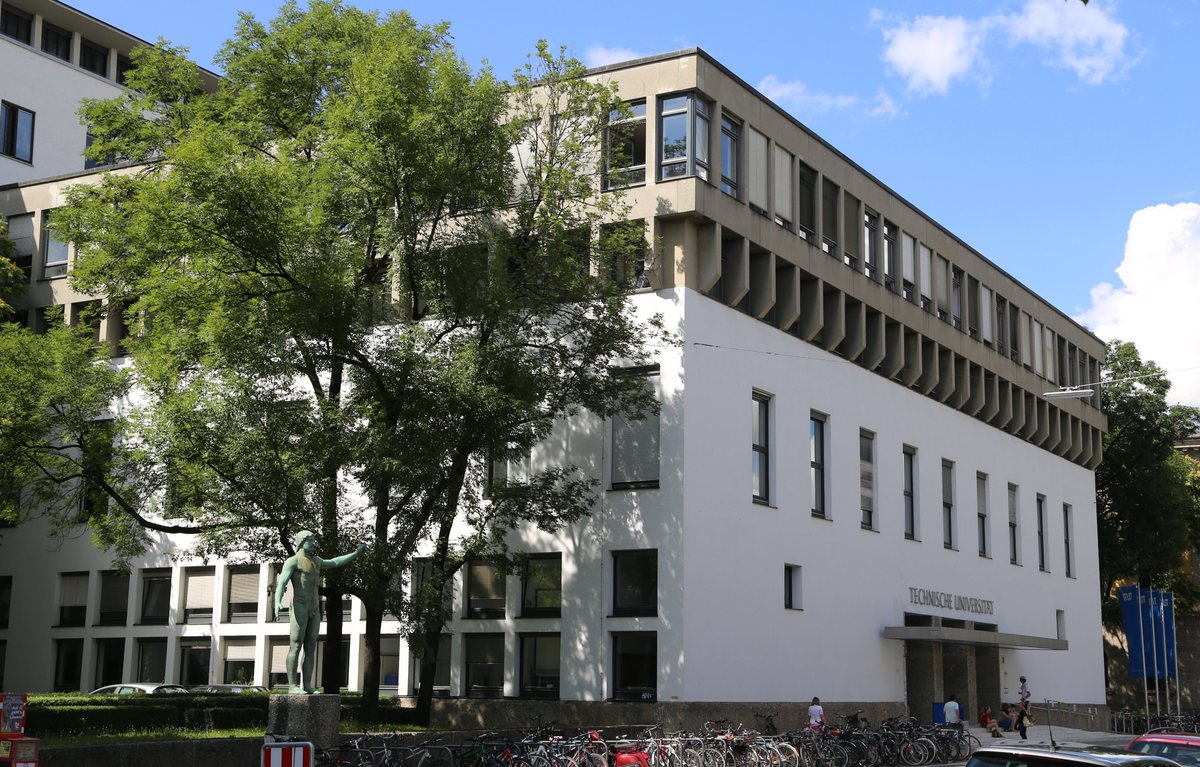
Technical University of Munich
QS #54 · Excellence
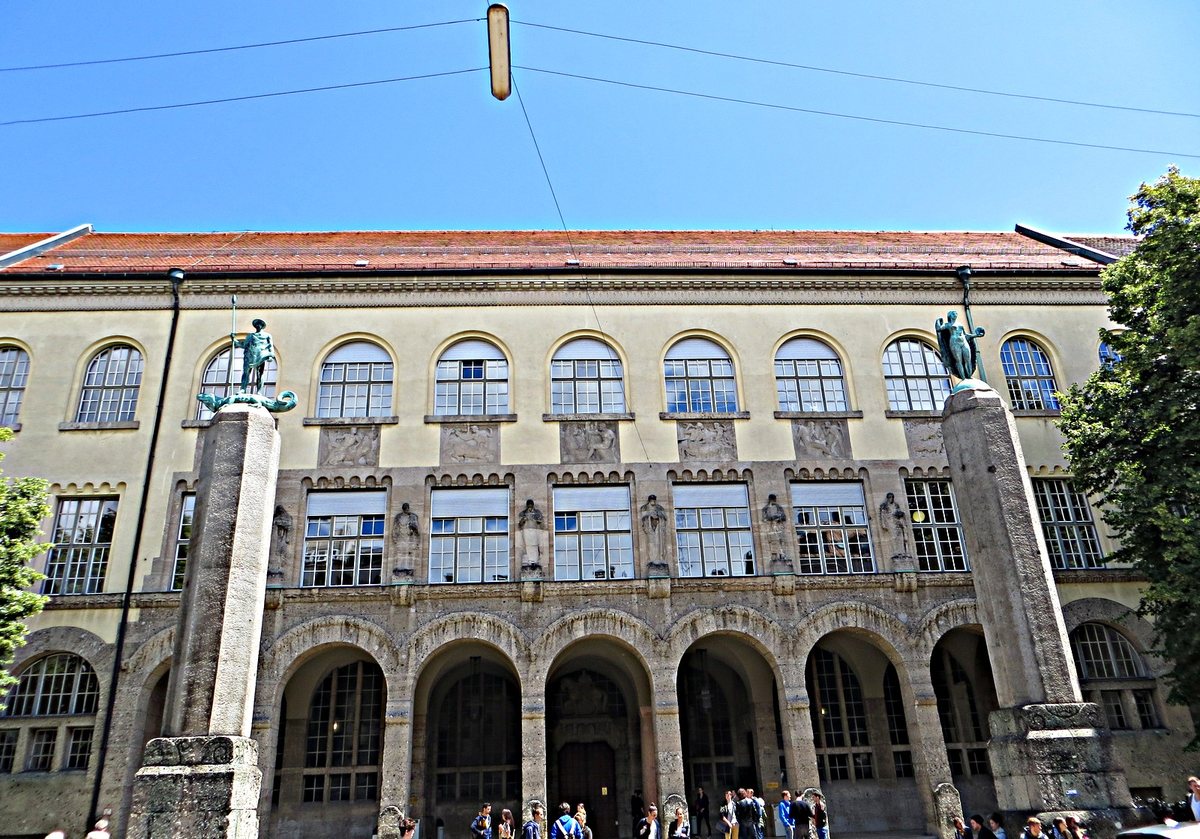
Ludwig Maximilian University (LMU)
QS #87 · Excellence
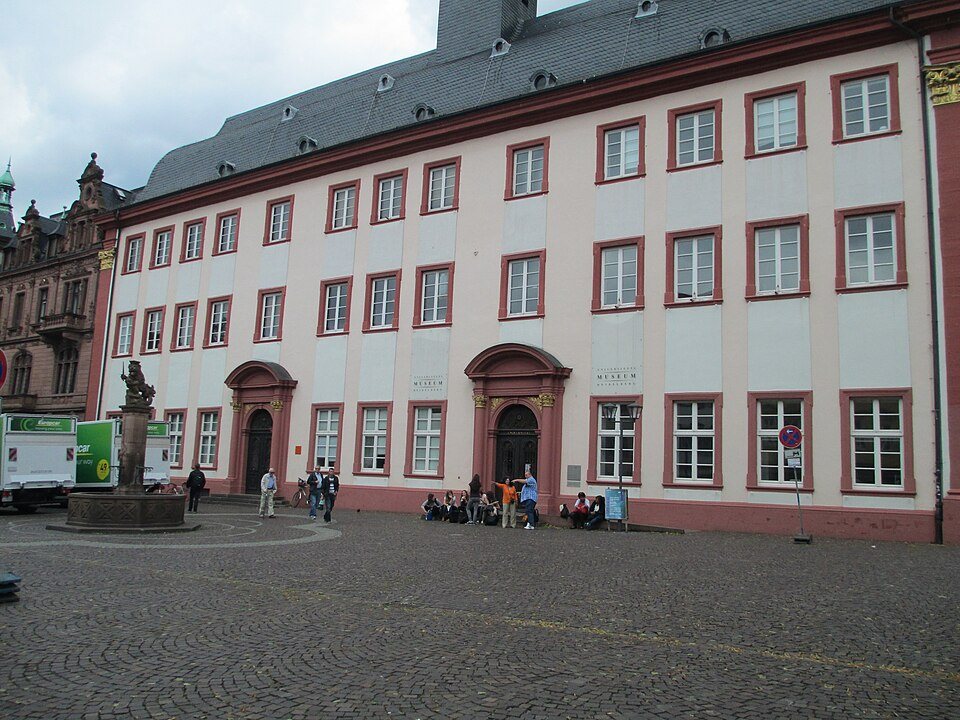
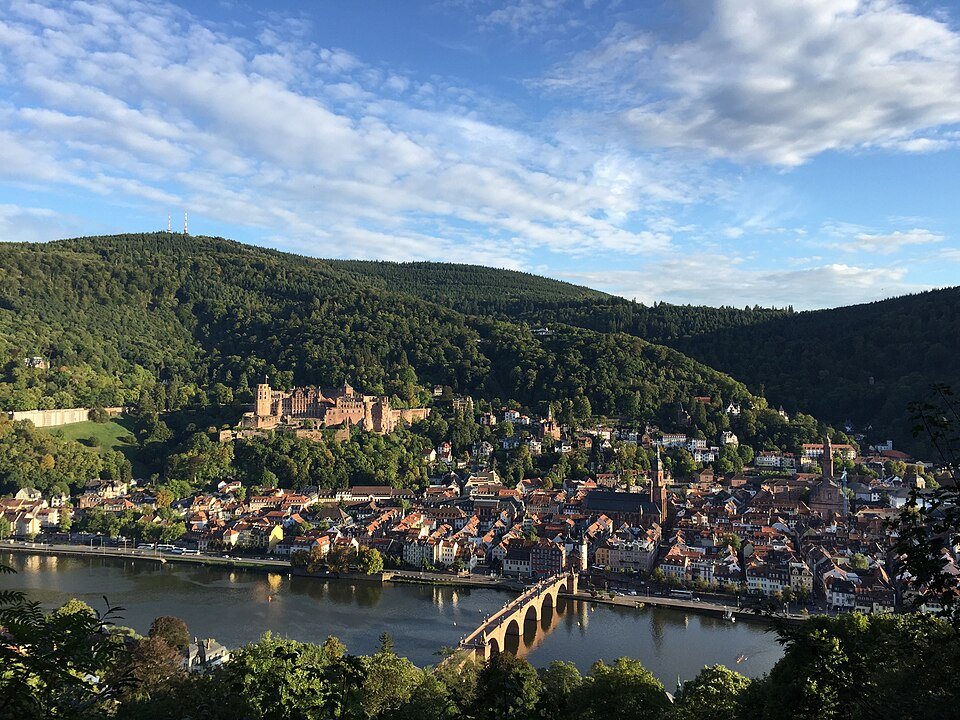
Heidelberg University
QS #120 · Excellence
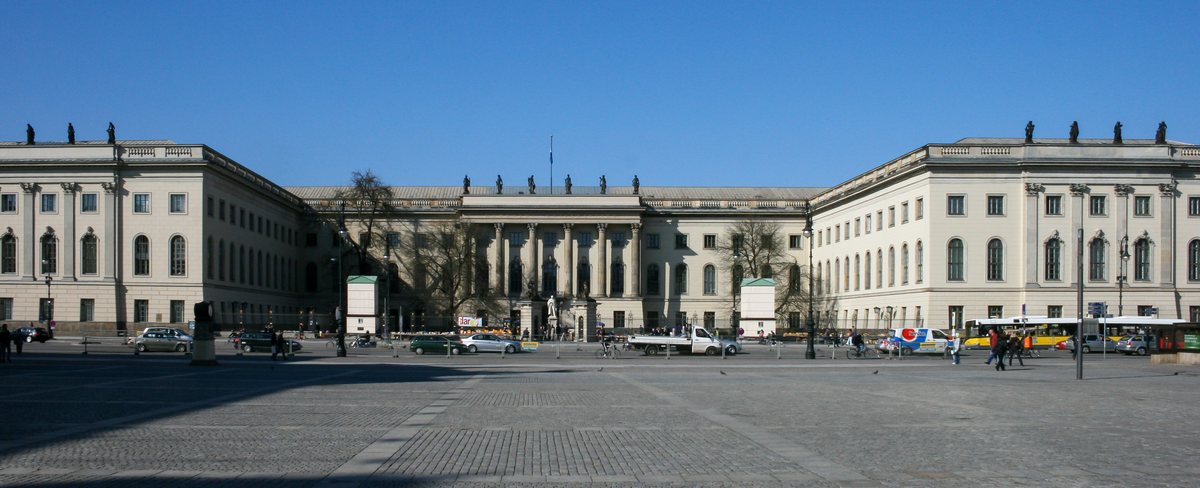
Humboldt University of Berlin
QS #106 · TU9
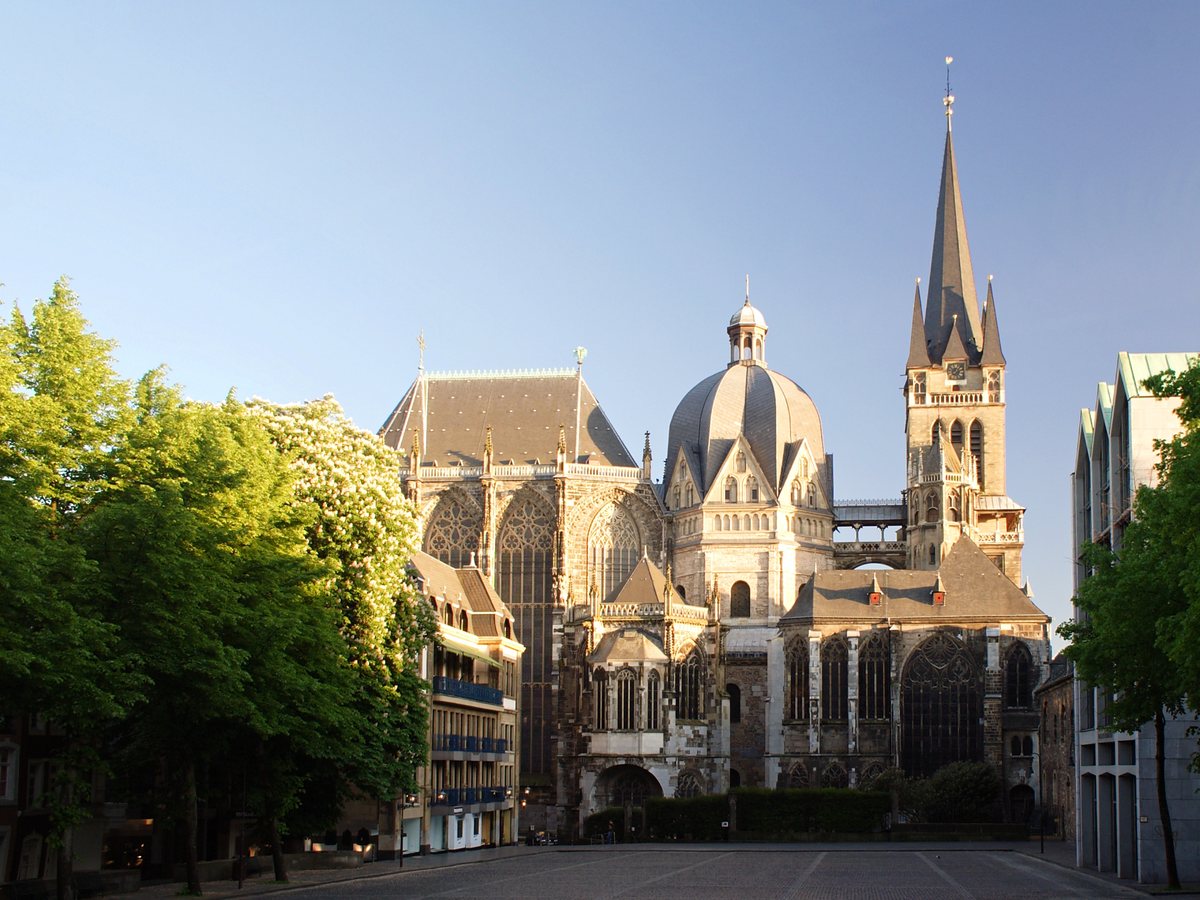
RWTH Aachen University
QS #154 · TU9
Technical University of Berlin
QS #300 · TU9
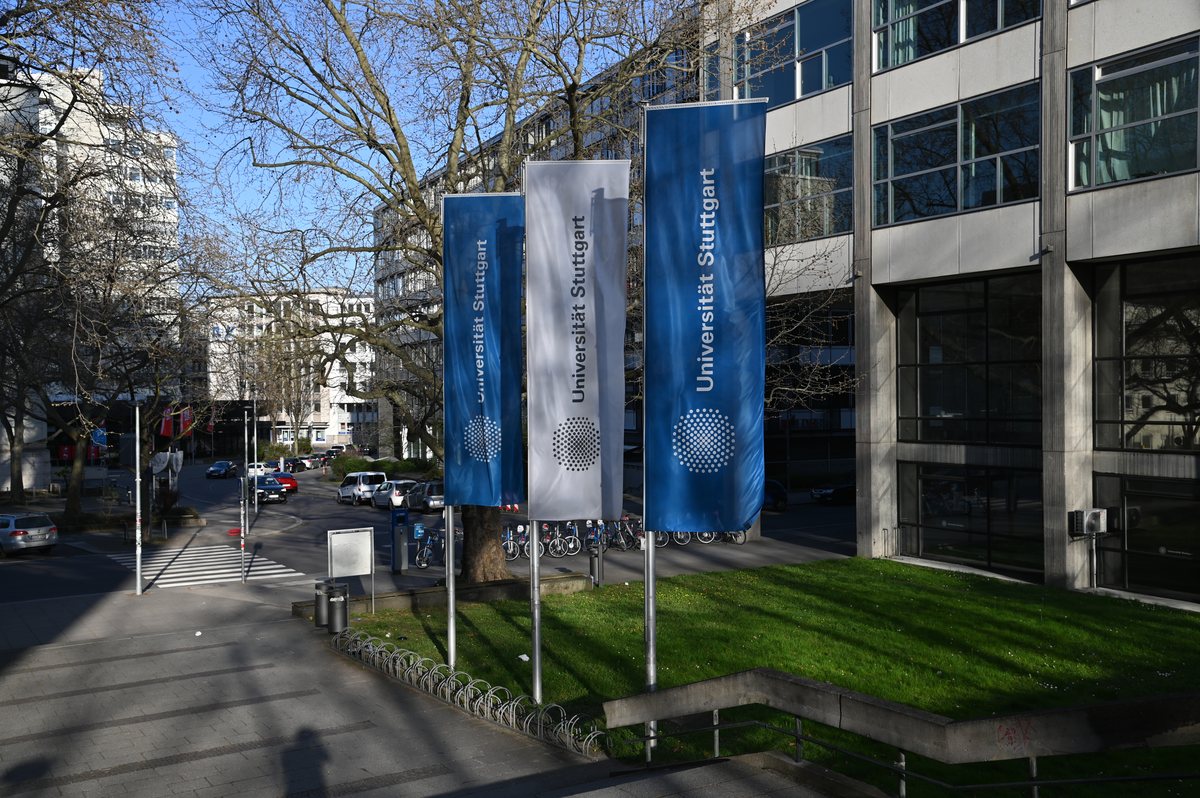
University of Stuttgart
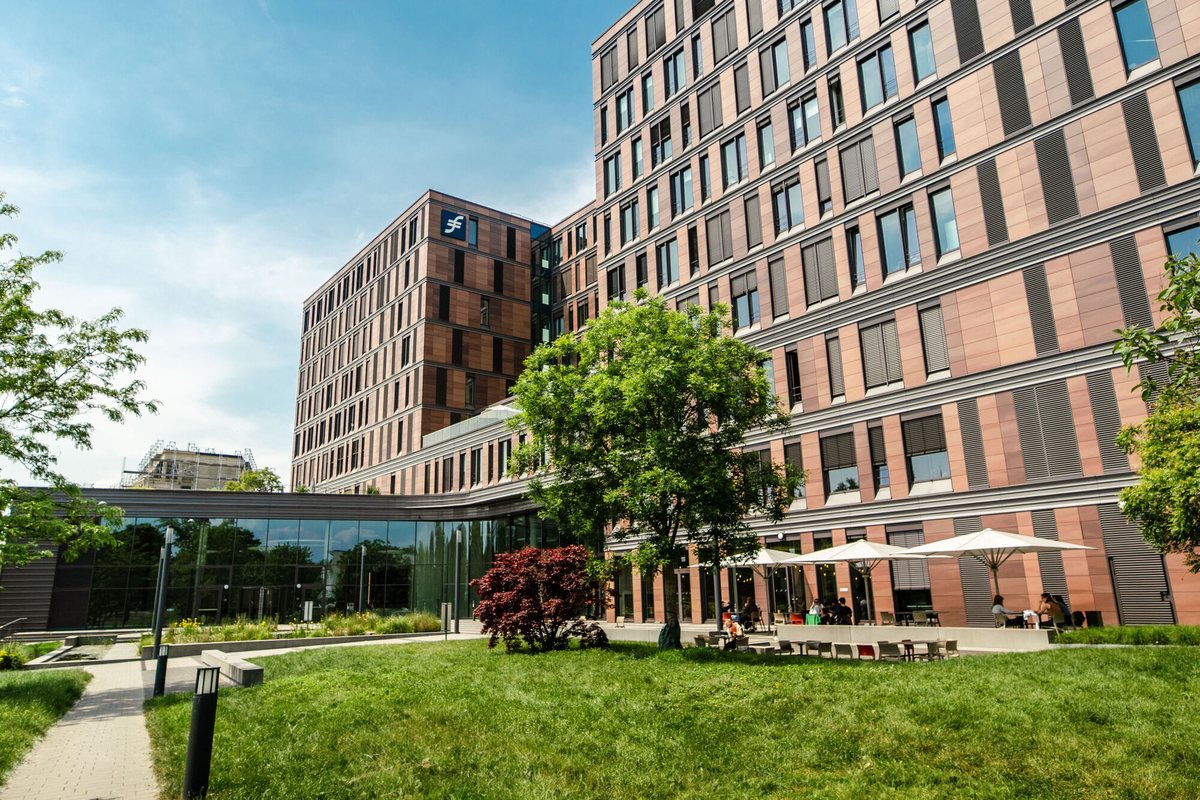
Business school · Frankfurt
Frankfurt School of Finance & Management
Cost of Study
Estimated Annual Budget
Germany's public universities charge only a semester contribution, making it one of the most affordable destinations. Private universities and international programs have fees of €10k–25k/year.
Expense
Munich / Frankfurt
Other cities
Tuition (public university)
€0 + €350 semester fee
€0 + €200–350 fee
Tuition (private / Int'l program)
€12,000–25,000/yr
€10,000–20,000/yr
Accommodation
€600–1,200/mo
€350–700/mo
Food & groceries
€250–350/mo
€200–300/mo
Transport (semester ticket)
€200–350/semester
€100–200/semester
Health insurance
€110/mo (mandatory)
€110/mo
Blocked account requirement
€11,208/year (approx. ₹10 lakh) — proof of funds for visa
Total estimate (public uni)
€12,000–18,000/yr
€8,000–13,000/yr
Funding Your Studies
Scholarships for Indian Students
🎓
DAAD Scholarship
Germany's prestigious academic exchange scholarship for postgraduate students. Covers full tuition, living stipend, health insurance, and travel allowance. Highly competitive — requires academic excellence and a research proposal.
Full funding · Stipend €934/month + allowances
🏆
Deutschlandstipendium
National merit scholarship funded jointly by the German government and private sponsors. Available at most German universities for high-achieving students in any field.
€300/month · Merit-based
🌐
Erasmus+ Scholarship
EU-funded exchange and study scholarships covering tuition and living expenses for students enrolled in accredited European programs, including joint master's degrees.
Up to €1,400/month · Erasmus Mundus programs
Application Cycles
Intake Periods
April–July
Winter Semester (Oct)
Main intake · Most programs open · Apply Apr–Jul for Oct start
Nov–Jan
Summer Semester (Apr)
Fewer programs · Apply Nov–Jan for April start
Year-round
Private Universities
Rolling admissions available at most private institutions
Admission Requirements
Eligibility Criteria
Undergraduate
10+2 with 70%+ in relevant subjects. Many public universities require an APS (Akademische Prüfstelle) certificate — a document verification service for Indian students.
Postgraduate
Bachelor's degree (75%+ / 7.5 CGPA). Relevant undergraduate subject match required. German programs may require TOEFL/IELTS; international programs need English proficiency.
German Programs
German language proficiency B2–C1 (TestDaF, DSH, Goethe) required for German-taught programs. Start learning 12–18 months before your intended intake.
English Programs
IELTS 6.5+ or TOEFL 90+ for English-taught master's programs. Germany has 1,000+ English-medium programs, especially at the master's level in STEM and business.
Immigration
German Student Visa Process
1
Receive Admission Letter + Complete APS
Get your university admission and complete the APS (Academic Evaluation Centre) verification — mandatory for Indian students. APS issues a certificate validating your academic documents.
2
Open a Blocked Account (Sperrkonto)
Deposit ₹10–11 lakh (€11,208) in an approved blocked account (Deutsche Bank, Expatrio, Coracle, etc.). The bank releases €934/month once you arrive — this is proof of financial means for the visa.
3
Apply at German Consulate / Embassy
Book a visa appointment at the German Mission in India (Delhi, Mumbai, Chennai, Kolkata, Bangalore, Hyderabad). Submit your admission letter, APS certificate, blocked account proof, health insurance, and accommodation documents.
4
Arrive and Register (Anmeldung)
Register your address at the local Bürgeramt within 14 days of arriving. Get your student ID from the university and register for health insurance through TK, AOK, or Barmer (mandatory for students).
5
Get Residence Permit (Aufenthaltserlaubnis)
Visit the local Ausländerbehörde to convert your entry visa to a residence permit for the duration of your studies. Bring registration certificate, insurance, enrollment proof, and passport photos.
6
Post-Study: 18-Month Job Seeker Visa
After graduation, apply for the 18-month job seeker visa. Once you secure a job matching your qualifications, switch to an EU Blue Card (long-term work permit). PR eligibility after 21–33 months of skilled work.
Career Prospects
High-Demand Sectors for Graduates
⚙️Automotive & Engineering
💊Pharma & Biotech
🤖AI & Robotics
💰Finance & FinTech
🔬Research & Academia
💻Software & SAP
🏗️Architecture & Civil
♻️Green Energy
Career connections
Employers across Germany career sectors
AmazonDeloitteAccentureCapgemini
AmazonDeloitteAccentureCapgemini
Illustrative employers named in the career sectors above; vacancies and eligibility vary by role and location.
Student life · Part-time work
Part-time work in Germany
Explore common student-friendly roles and indicative hourly pay. Your right to work, permitted hours and actual pay depend on your visa conditions, local rules, employer, role and location.
Restaurant / café staff€13.90 gross/hour
Indicative hourly pay; see source note below.
Babysitter€13.90 gross/hour
Indicative hourly pay; see source note below.
University student assistant€13.90 gross/hour
Indicative hourly pay; see source note below.
Student work permission (8 October 2026): For third-country students on a German study residence permit, the current limit is 140 full days or 280 half-days per year; alternatively, up to 20 hours per week during lecture periods. Work without these limits may be allowed during semester breaks. Student auxiliary work at a higher-education institution is treated separately. EU/EEA and Swiss students have different rules.
Pay guide: Statutory minimum wage from 1 January 2026; it is a legal floor, not a typical student-job estimate. Check the current rate before publication. Official sources:student work rules · wage guidance · additional details. Checked 8 October 2026.
Student Cities
Best Cities to Study In
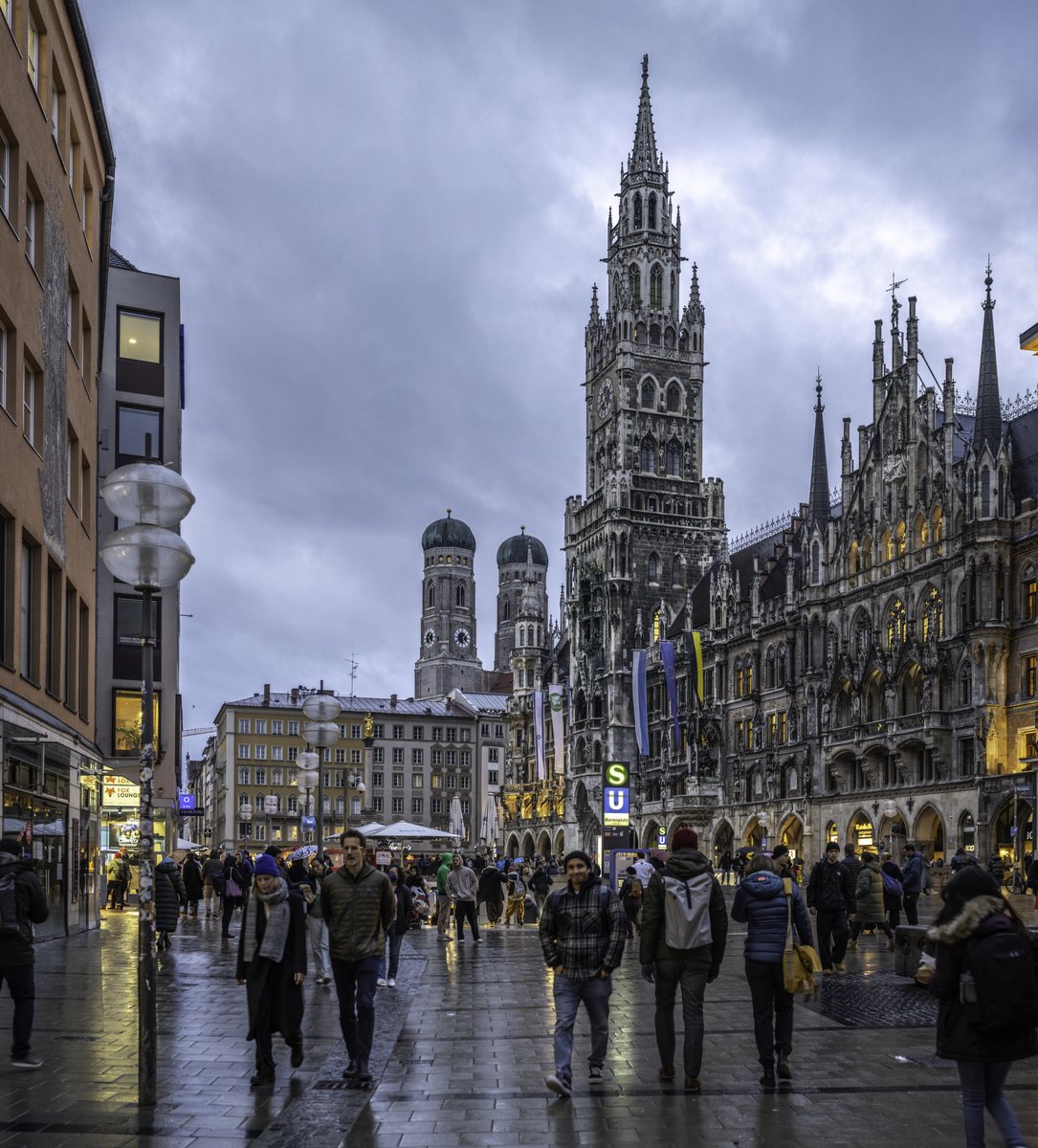
Munich — Bavaria's capital, TU Munich & BMW
Berlin — Startups, arts, affordable living
Heidelberg — Germany's oldest university city
Aachen — RWTH, heart of engineering excellence
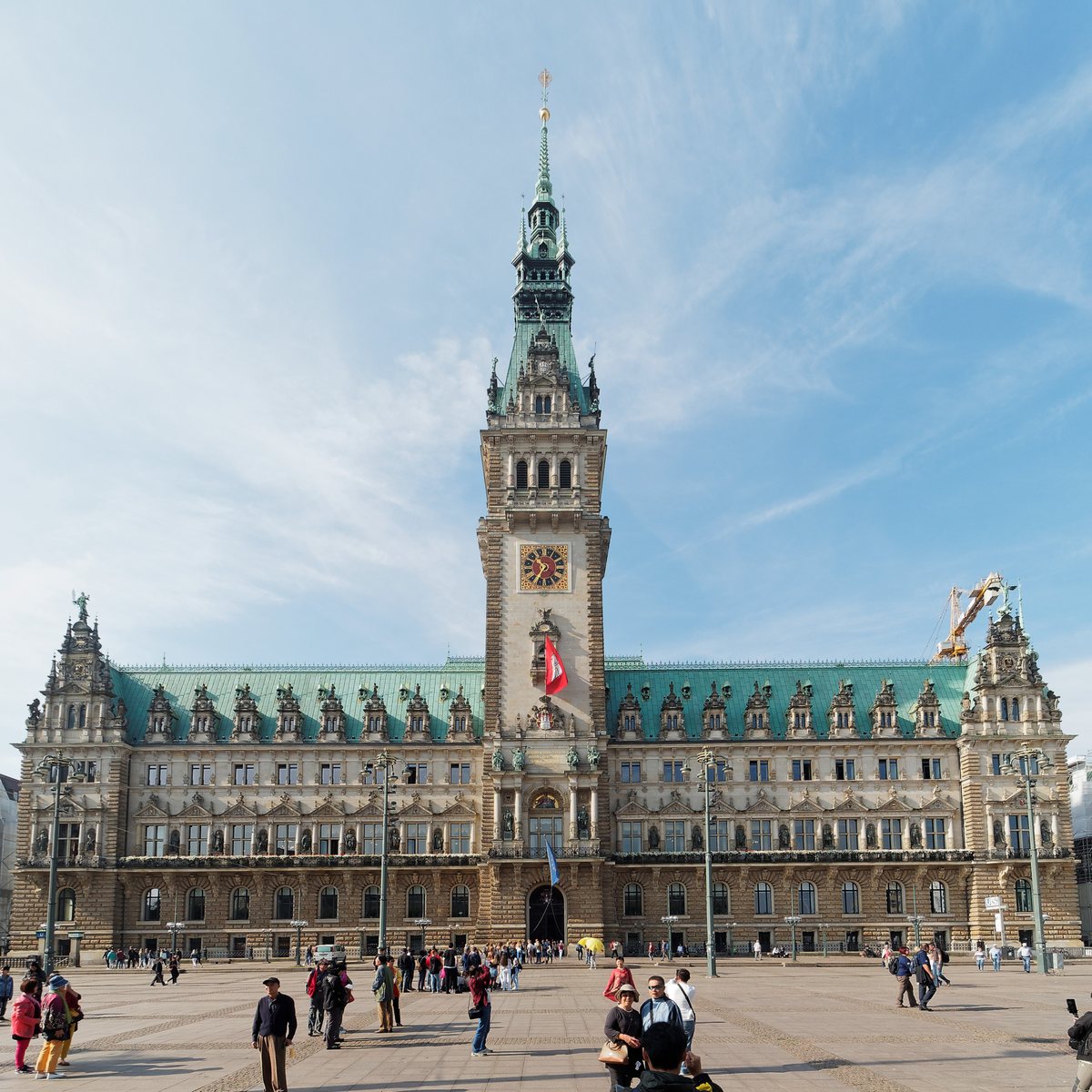
Hamburg — Europe's 2nd largest port, logistics hub
Stuttgart — Mercedes, Porsche, automotive capital
Image credits and reuse licences
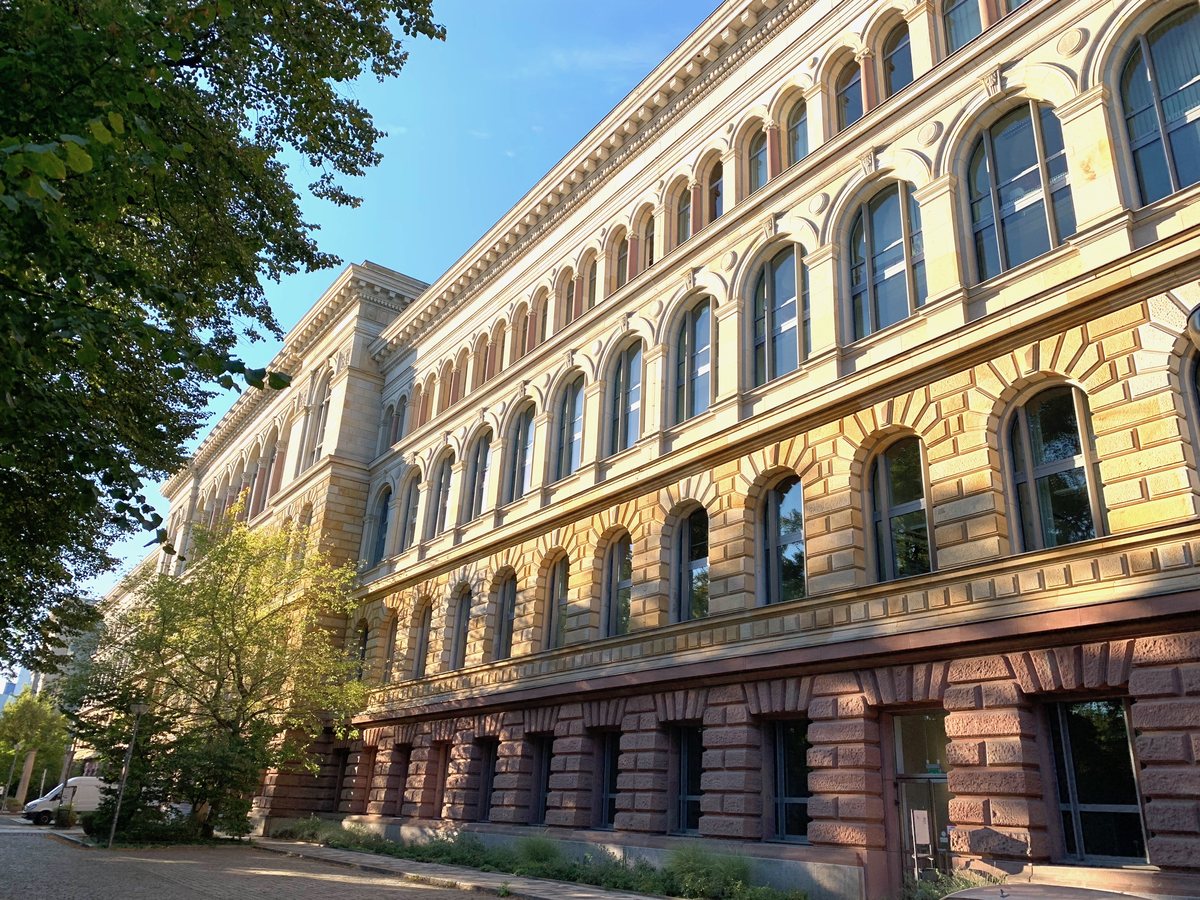
All 14 university and city images below are from Wikimedia Commons and have been resized/compressed for the web. CC BY-SA derivatives are shared under the same licence as their sources. Select a source or licence for full terms.
Public universities in Germany do not charge tuition for most programs — you pay only a semester contribution of €150–350 covering admin fees and often a public transport pass. Private universities and some professional master's programs charge €10,000–25,000/year. The cost-free model applies to both domestic and international students at public unis.
A blocked account (Sperrkonto) is a German bank account where you deposit proof-of-funds before applying for a student visa. The current requirement is €11,208/year (updated annually — check current rates). The account releases €934/month once you're in Germany. Providers include Deutsche Bank, Expatrio, Fintiba, and Coracle.
For third-country students on a German study residence permit, the current limit is 140 full days or 280 half-days per year; alternatively, up to 20 hours per week during lecture periods. Work without these limits may be allowed during semester breaks. Student auxiliary work at a higher-education institution is treated separately. EU/EEA and Swiss students have different rules. See the official work-rules link above.
Not for your studies — but daily life in Germany (supermarkets, banks, authorities, local transport) still requires basic German, especially outside Berlin and Munich. We strongly recommend A2–B1 German before you arrive. Free German courses are often available at the university's language centre. Learning German also dramatically improves your job prospects post-graduation.
The APS (Academic Evaluation Centre) is mandatory for all Indian students applying to German universities. It verifies your 10+2 and bachelor's certificates. The process takes 4–8 weeks and costs around €75. You'll need to submit your documents in person at the APS India office in Delhi, Mumbai, Chennai, or Bangalore. Start early — universities won't process applications without it.
Ready to study in Germany?
Our counsellors are experts in German university applications, APS verification, blocked accounts, and DAAD scholarship guidance.